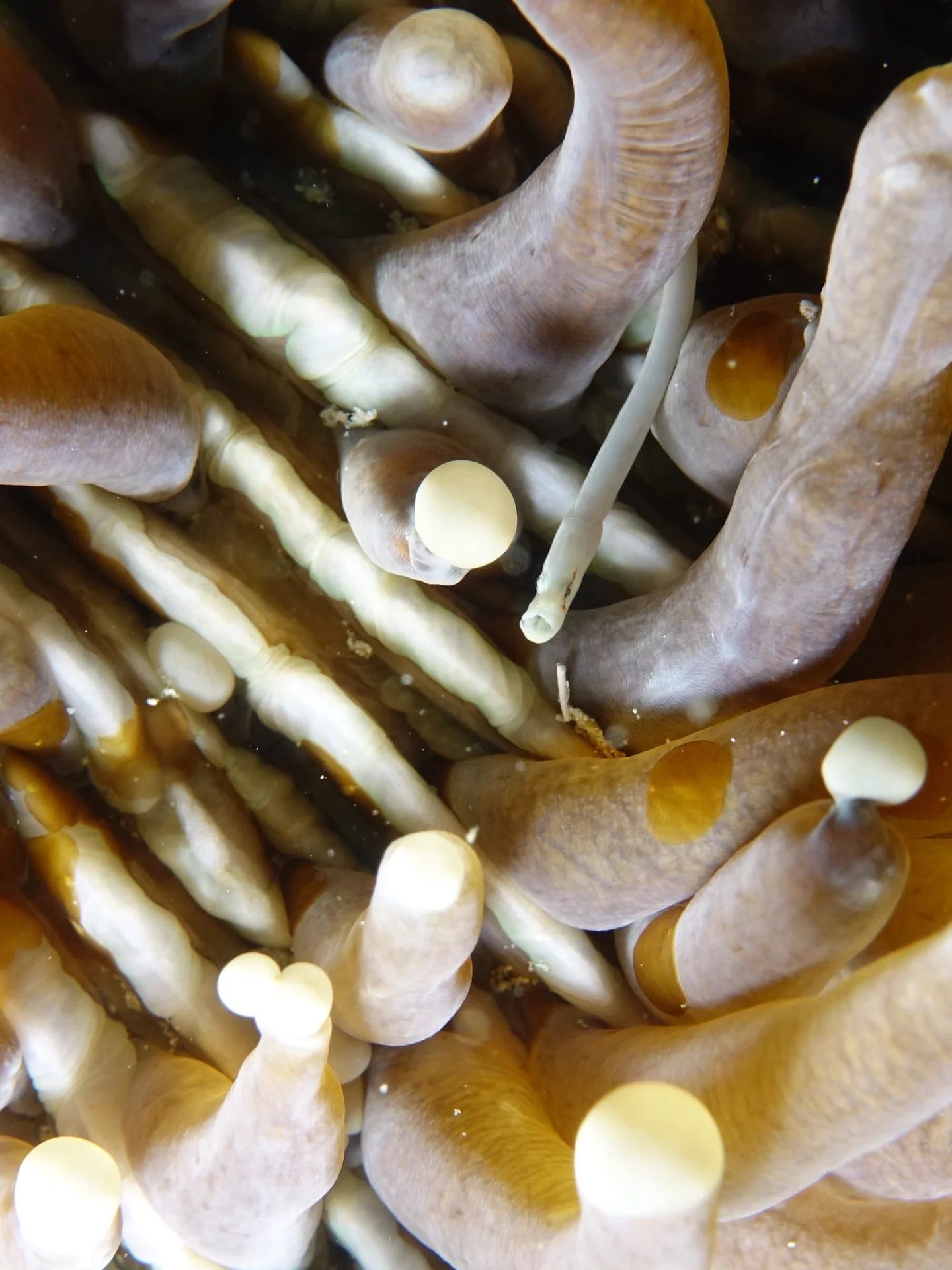
The Coral Triangle spans six countries and covers 5.7 million square kilometres of ocean. It contains 76% of all known coral species, 37% of the world's reef fish species, and supports the food security of 120 million people. Anilao sits at its heart — which means every dive here carries a real responsibility.
Why Anilao Matters
Batangas Bay and the surrounding Anilao Marine Sanctuary represent some of the healthiest reef ecosystems remaining in the Coral Triangle's Philippine sector. The area was declared a Marine Protected Area (MPA) in the 1970s — one of the earliest designations in the Philippines — and the combination of community enforcement and dive tourism revenue has allowed reefs here to recover and stabilise while neighbouring areas degraded.
Our Reef-Safe Policy
- Only mineral-based (reef-safe) sunscreens are permitted for all guests diving or snorkelling from our boats.
- No gloves are permitted at any reef sites — contact with coral causes tissue death even through neoprene.
- No touching, riding, chasing, or collecting of any marine life, including invertebrates.
- All anchoring at reef sites uses permanent mooring buoys maintained by the Mabini MPA office.
Our Coral Monitoring Programme
Casa Escondida's dive guides conduct quarterly belt transect surveys at five fixed monitoring points within the Anilao Marine Sanctuary. Data is submitted to the municipal government and cross-referenced with results from the Anilao Marine Conservation Project. The surveys track live coral cover percentage, indicator fish abundance, and giant clam populations.
How to help: Join one of our monthly reef clean-up dives, hosted on the last Sunday of each month. No prior training is required — just a passion for keeping these reefs clean. Ask at the dive desk to register.